
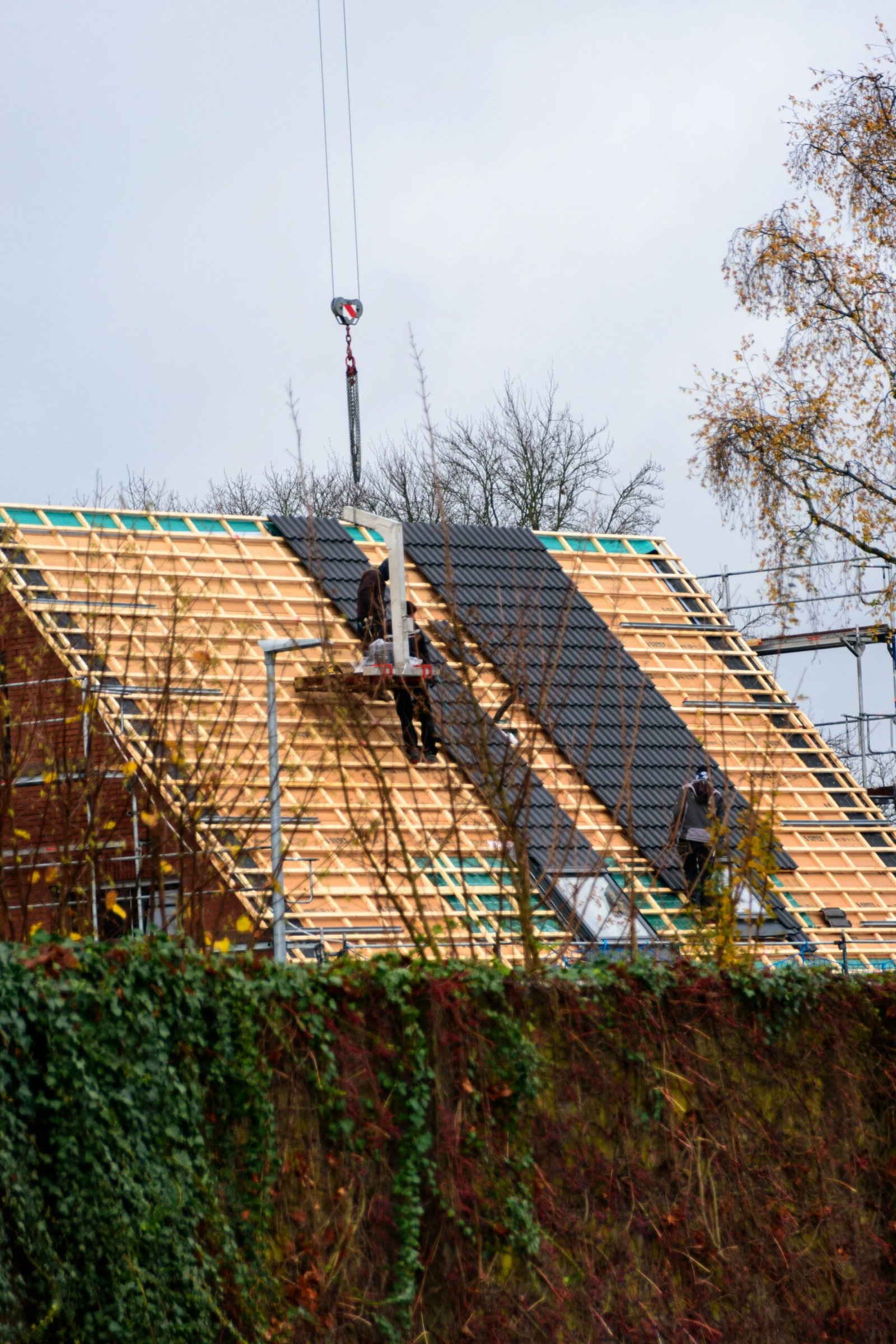
A new roof can quickly strain a budget, especially when you are not sure what drives the total cost. Size matters, but it is only one part of the equation. Roof shape, material, labor, access, and hidden damage all play a vital role.
You may see two roof quotes that look close at first and still cover very different work. That gap usually comes from the details beneath the surface. At Luso Roofing, we assess the overall condition of the roof before providing clear direction, because the actual cost depends on what the job requires.
In this blog, we’ll break down the pricing factors and show you how to read a roofing estimate with more confidence.
What Changes the Price Most
A roof cost starts with the basic size of the project, but the final number can rise quickly once other details come into play. A simple roof line takes less time than one with valleys, dormers, chimneys, or steep slopes. More complexity means more labor, more time, and more material use.
A few details tend to shape the total most:
- Roof size and surface area
- Roof pitch and shape
- Material choice
- Tear-off and disposal
- Flashing and seal work
- Hidden damage below the surface
If the old roof has moisture damage or weak decking, the price could rise once work begins. That is not a surprise in roofing. It is part of replacing a system that protects the home every day. Luso Roofing builds estimates around those conditions, so you are not left guessing later.
Why Material Choice Matters
Material affects both cost and long-term performance. Asphalt shingles remain common because they offer a practical balance of price and durability for many homes. Flat roofing systems, by contrast, need different methods and more careful detailing in certain areas.
The lowest-cost option is not always the best choice. You want a roof that matches the building and stands up to the weather over time. If the material is not right for the property, you may end up paying more in repairs later.
When you compare roofing materials, pay attention to:
- Expected lifespan
- Maintenance needs
- Weather resistance
- Ventilation fit
- Repair needs later
At Luso Roofing, we install and replace shingle and flat roofing systems based on the roof in front of us, not a one-size-fits-all approach. That keeps the focus on performance, not just the first price you see.
Repair or Replace?
Not every roof needs a full replacement. Sometimes, a leak near flashing, a missing section of shingles, or a small damaged area can be fixed without starting over. If the problem is limited, repair may be the smarter move.
But repeated leaks or sagging sections usually point to a larger issue. If you keep paying for patchwork, the costs can add up without solving the real problem. In those cases, replacement may be the better long-term decision.
Watch for these signs:
- Water stains on ceilings
- Curling or missing shingles
- Soft decking
- Repeat leaks in one area
- Sagging roof sections
- Weak attic airflow
Luso Roofing handles repairs, maintenance, and replacements, which helps you make a better call based on condition rather than guesswork. That can save time, stress, and wasted spending.
What a Good Quote Should Show
A roofing quote should explain the work clearly. If it only gives you a final number, you may not know what is included. That can become a problem later if extra charges appear after the job starts.
A clear quote should cover:
- Removal of the old roof
- Debris disposal
- Underlayment work
- Flashing details
- Ventilation adjustments
- Cleanup after completion
These details matter because they show the contractor has looked beyond the surface. They also help you compare quotes fairly. Two estimates can look similar while covering very different levels of work.
At Luso Roofing, we keep estimates tied to the roof’s actual condition and the full scope of the job. That gives you a better starting point and fewer surprises.
Why Inspection Can Change Everything
A roof inspection can shift the whole conversation. A roof that looks ready for replacement may only need focused repair. A roof that seems minor from the ground may hide deeper wear upon checking it closely.
Inspection work also helps uncover issues that shorten roof life. Poor airflow, trapped moisture, and worn sealing points can cause damage that spreads over time. If those problems stay hidden, even a new roof may wear out too soon.
A proper inspection helps answer the key questions:
- Is repair still practical?
- Has damage spread below the surface?
- Does ventilation need attention?
- Are flashing and seals failing?
- Is replacement the better choice?
Luso Roofing uses inspections to give you a clearer view of the roof before you commit to a major project. That kind of review helps you spend with more confidence.
Conclusion
The cost of a new roof depends on far more than square footage. Material, labor, roof shape, hidden damage, and ventilation all affect the final number.
Luso Roofing can help you understand what your roof really needs. We focus on practical roofing solutions that match your system, so you can move forward with clarity. Contact us to schedule your roof assessment.