
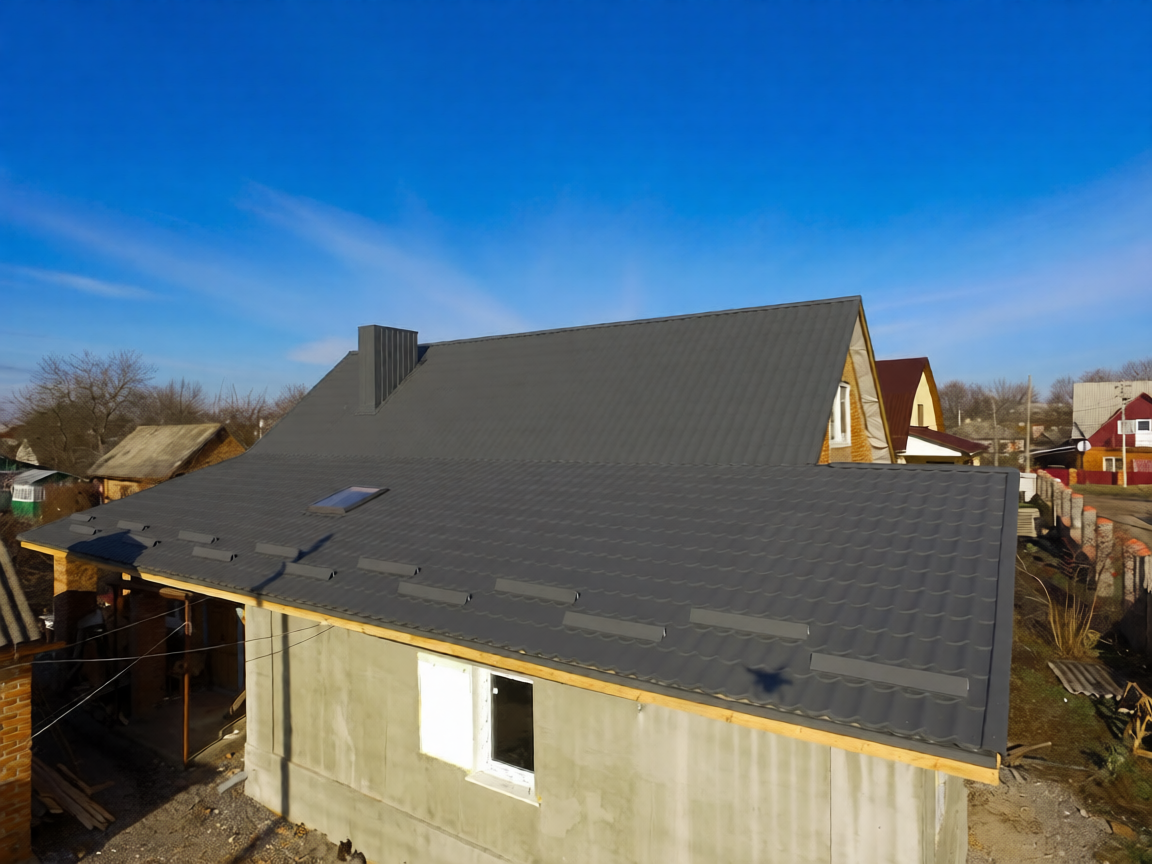
Every homeowner recognizes the importance of strong outer shingles. However, complete protection relies heavily on hidden layers working beneath that surface cover. The underlayment forms an essential barrier directly over your sturdy roof deck.
Without this vital protective material, hidden water leaks could easily ruin structural timber. In this blog, we’ll explain how proper underlayment protects your valuable property investment.
The Core Function of Roof Underlayment
Roof underlayment serves as a reliable water barrier installed beneath all outer materials. It acts as a primary defense whenever top shingles suffer severe damage from windstorms. Any moisture that slips past surface tiles stops at this strong protective barrier.
This protective layer also guards wooden decking while installation work is happening overhead. It prevents active wood sap from damaging outer shingles over many years. This smooth layer covers small rough spots across raw wood decks.
At Luso Roofing, we ensure this foundation layer stays completely secure during every installation. Our experienced team verifies every seam seal before applying upper coverings.
Common Types of Underlayment Materials
Property owners can choose from three primary materials, each providing distinct practical advantages for building protection:
- Traditional asphalt felt offers economical baseline defense
- Synthetic material provides superior tear resistance overall
- Self-adhering membranes create total waterproof sealing barriers
Selecting the right option depends on your regional climate, structural roof pitch, and budget. Traditional organic felt soaked in asphalt was once the universal standard choice. Modern synthetic polymer underlayments now offer far higher tear strength and overall durability during high winds. Synthetic options also resist mold growth and UV degradation much longer than older felt alternatives.
Self-adhering peel-and-stick membranes contain rubberized asphalt that seals tightly around every inserted nail. This self-healing property creates an essential barrier along eaves vulnerable to ice damming.
Key Benefits for Property Owners
Installing top-quality underlayment delivers critical advantages that significantly extend overall roof lifespans. Preventing moisture damage remains the primary benefit, saving thousands on unexpected internal repairs. It also stops dangerous winter ice dams from leaking directly into comfortable living spaces.
At Luso Roofing, we select superior materials to maximize durability against harsh climate shifts. Proper underlayment installation helps satisfy strict local building codes throughout our service areas. It also helps preserve active manufacturer warranty protections on new roofing materials.
A properly integrated water barrier maintains internal building insulation value over time. Wet attic insulation loses its thermal resistance quickly, increasing seasonal heating and cooling energy bills. A dry roof deck helps maintain a home’s energy efficiency during extreme summer and winter weather.
Trapped moisture under shingles causes wood decay if air circulation remains restricted underneath decks. Combined with efficient intake and exhaust vents, heavy-duty underlayment keeps wood structures completely dry.
Primary Factors to Consider When Selecting Underlayment
Choosing the correct underlayment requires evaluating environmental weather patterns, slope angles, and project budgets carefully:
- Structural roof pitch dictates required water resistance
- Regional winter climates demand specialized ice protection
- Surface material weight influences underlayment strength needs
- Available project budgets guide long-term material choices
Low-slope roof designs always require double underlayment coverage or full self-adhering membranes. Steeper roof slopes allow gravity to shed water much faster, allowing synthetic membranes to perform exceptionally.
Heavy roofing materials like concrete tile or standing seam metal require high-temperature underlayment formulations. Standard membranes can soften and degrade under intense heat transferred through dark metal roofs. High-temperature synthetic membranes withstand extreme attic heat loads without losing protective structural properties.
Professional Installation Ensures Lasting Protection
Correct application techniques are just as vital as selecting top materials for your home. Even high-quality membranes fail quickly if installation seams overlap incorrectly during work. Precise overlapping ensures water flows smoothly down toward gutters without seeping into hidden vulnerable surface gaps.
At Luso Roofing, our experienced team brings decades of practical knowledge to every project. As a trusted contractor, we inspect every inch of timber decking before laying down underlayment. Fastener selection also plays a massive role in long-term membrane performance and roof stability. Using plastic cap nails instead of raw staples prevents wind uplift from tearing membranes loose.
Conclusion
Roof underlayment remains hidden from view, yet its contribution to structural health stays vital. This essential membrane guards your property against unexpected moisture leaks and sudden seasonal storms. Investing in superior materials ensures your entire roof system performs for decades ahead.
When you suspect hidden roof leaks or plan complete replacements, expert support is essential. At Luso Roofing, we provide dependable answers tailored to your specific building requirements. Contact us today to schedule your comprehensive roof assessment.