
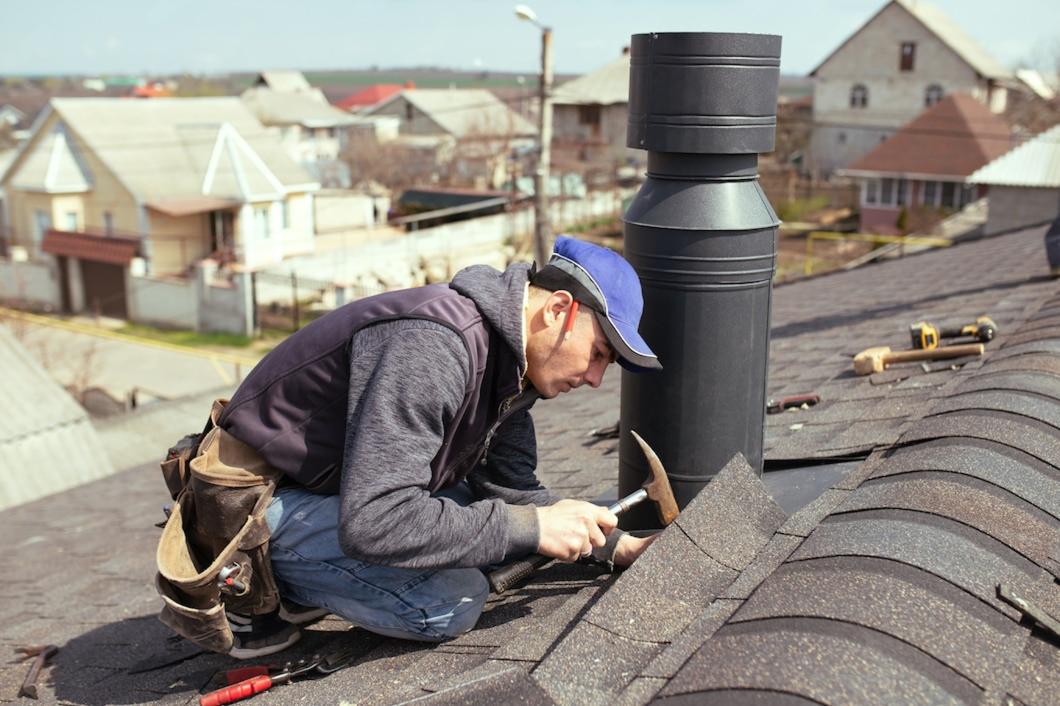
Roof ventilation moves air through your attic to control heat and moisture. This process keeps your roofing system stable and protects your home from hidden damage. You benefit from steady temperatures and fewer issues over time.
In this blog, we’ll explore how it works and why it deserves your attention. At Luso Roofing, we help homeowners achieve lasting results through expert ventilation work.
How Roof Ventilation Works
Intake vents draw cooler air from lower areas into the attic space. Exhaust vents then release warmer air from higher points along the roof. This continuous cycle prevents extreme buildup that harms materials and structure.
The balance between intake and exhaust creates reliable airflow. Proper design matches your roof style and conditions. You notice the difference through consistent performance across seasons. Air enters low and exits high to create natural movement that regulates the space effectively. Without this flow, your attic can trap conditions that stress the entire roof assembly above it for extended periods.
Key Benefits for Your Home
Your attic stays cooler during hot days with strong ventilation. This reduces strain on cooling equipment and supports comfortable indoor spaces. Energy costs stay lower because your systems do not work overtime.
In colder months, moisture escapes before it condenses on surfaces. You avoid risks like wood rot or weakened supports that develop from trapped humidity. Your roof edges also stay protected from ice formation that leads to leaks.
Proper ventilation adds overall value by extending the service life of your roofing materials. It creates an environment where shingles and underlayment hold up better against daily wear. You gain peace of mind knowing your home stays protected from common attic-related concerns that affect many properties over the years.
- Steady attic temperature control
- Lower energy demands
- Moisture prevention
- Extended material life
Signs Your Roof Needs Better Airflow
You might spot higher energy bills that climb without a clear reason. These increases often trace back to poor circulation, forcing equipment to compensate. Attic heat or humidity builds quietly until costs reflect the problem.
Mold spots or damp areas in the attic signal trouble. Shingle edges that curl or wear unevenly point to temperature swings. Addressing these early prevents larger repairs down the line. Musty odors or visible condensation lines also indicate airflow restrictions that need prompt attention from professionals who understand system dynamics.
Types of Ventilation Systems
Ridge vents provide continuous exhaust along the roof peak. They work effectively with soffit vents to complete the airflow loop in sloped designs. You gain reliable performance tailored to your structure.
Gable vents offer solid exhaust options on end walls for certain homes. Specialized exhaust points combined with strategic intake suit other roof forms. Each choice aligns with your property for best results.
You can combine multiple vent styles to achieve balanced circulation. Powered options provide additional support in unique setups where natural flow requires assistance. Understanding these varieties helps you appreciate how systems adapt to different home designs and maintain effectiveness over years of service.
The Role of Professional Assessment
Experts review your full setup, including attic conditions and existing vents. They spot gaps in circulation that regular views overlook. You receive clear insights that guide effective improvements.
At Luso Roofing, we evaluate intake and exhaust during detailed inspections. Our team recommends solutions that match your roof type and daily needs. This approach catches concerns before they become major expenses. We consider how your entire roofing assembly interacts with ventilation components to deliver comprehensive advice based on practical experience.
Maintaining Your Ventilation Setup
Clear vents of debris, like leaves or nests, to keep airflow strong. Regular attention stops blockages from reducing system efficiency over months. You protect your investment with simple ongoing care.
Insulation must be away from openings to allow free movement. Seasonal checks help your setup handle varying weather patterns. Professional support ensures everything functions smoothly through changing conditions. Routine maintenance also includes checking for damage around vent areas that could compromise overall performance if left unaddressed for too long.
You play an important part by staying alert to changes around your home. Small adjustments made promptly contribute to long-term success. At Luso Roofing, our experience shows that consistent care paired with expert input produces the strongest outcomes for ventilation systems.
Why Balanced Airflow Matters Long Term
Balanced airflow supports structural integrity by minimizing stress on framing and decking. Over time, this reduces the likelihood of costly issues that arise from neglect. You enjoy a home where the roof performs as intended without unexpected interruptions.
Ventilation also improves indoor comfort by helping regulate overall humidity levels. Families notice fewer fluctuations that affect daily living. The cumulative effect creates a more stable environment that enhances quality of life throughout the year.
Conclusion
Roof ventilation supports the health and longevity of your entire roofing system. It delivers steady protection against heat, moisture, and wear that shorten roof life. Smart attention to airflow brings peace of mind for years ahead.
At Luso Roofing, we deliver trusted expertise on ventilation and full roofing solutions. Reach out to us for an assessment that fits your property. Let us help strengthen your roof starting now.